Categories
Uncategorized

How to Detect and Fix Skylight Leaks Before They Cause Damage?

Having a skylight is one of those little luxuries that makes a home feel truly special. When it’s cared for properly with the help of professional skylight leak repair services, natural light pours in, you enjoy a clear view of the sky, and sometimes you even catch the stars at night without stepping outside. Pretty dreamy, right?

But here’s the other side: when that same skylight starts to leak, it’s no longer magical. Suddenly you’re dealing with ugly brown stains on the ceiling, musty smells, maybe even mold creeping in.

And trust me, if you let it slide, the damage gets worse quickly—rotting wood, ruined insulation, even bigger structural issues. The good news? Most of this mess can be avoided if you catch the early warning signs.

Let’s talk about why skylights leak, how to notice problems before they get serious, and what you can do to fix them.
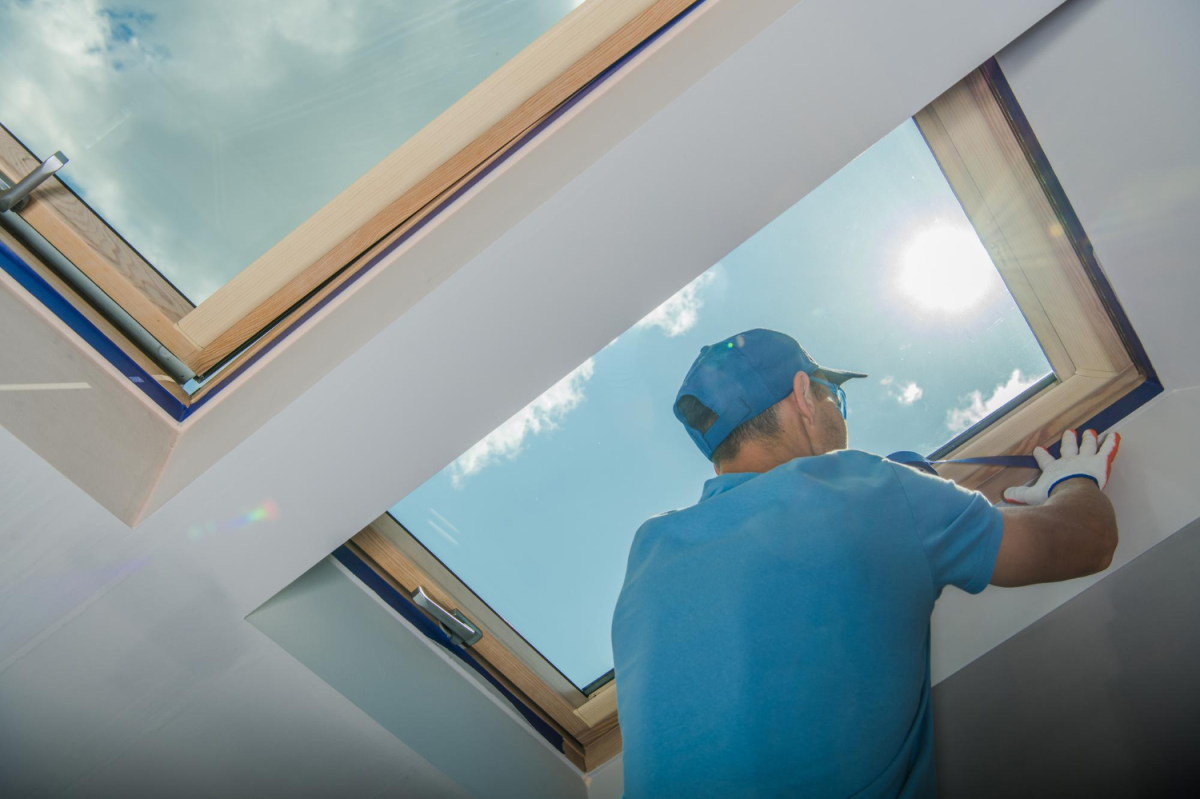
skylight leak repair services

Why Do Skylight Leaks Happen?

Leaks usually come down to a handful of common culprits:

  • Bad installation: Honestly, this is the big one. If the flashing or sealing wasn’t done right the first time, water sneaks in where the roof meets the skylight.
  • Flashing issues: Flashing is that metal or waterproof material around the skylight frame. When it’s bent, rusted, or loose, then water stops draining properly.
  • Worn seals or gaskets: Rubber, caulking, and weatherstripping don’t last forever. Over the years, they dry out, crack, and stop keeping water out.
  • Old skylight: Even good quality skylights age out. Frames warp, glass fogs, sealants fail. Nothing lasts forever.
  • Condensation: Sometimes what looks like a leak is actually condensation from humidity inside the house, especially in bathrooms or kitchens.
  • Roof damage or debris: Leaves, branches, and missing shingles around the skylight can block drainage or create little water highways straight into your home.

How to Catch Leaks Early?

Here’s the thing—you don’t need to wait for a puddle on the floor to know something’s wrong. Look out for these telltale signs:

  • Yellow or brown water stains on the ceiling or walls near your skylight.
  • Paint or drywall bubbling, peeling, or cracking.
  • Water drips during storms (especially heavy ones).
  • Wood nearby looks darker, warped, or spongy to the touch.
  • A faint musty smell or patches of mold.
  • Cracks or brittle-looking rubber around the skylight frame.
  • Condensation building up inside the glass or just underneath it.
  • Loose shingles or flashing pieces that look like they’re hanging on for dear life.

If you’re seeing any of this, don’t delay it further. You can call a professional to get skylight leak repair services.

How Do You Fix It?

The fix really depends on what’s going on. Some issues you can handle yourself on a weekend afternoon, but others are best left to pros. Here’s a breakdown:

  • Reseal the edges. Peel off old caulking, grab a tube of high-quality outdoor sealant, and make sure every joint is airtight. Perfect if the leak is small and localized.
  • Swap out gaskets or weatherstrips. If the rubber around the skylight is cracked or stiff, replacing it can give you a snug fit again—especially on skylights that open and close.
  • Fix or replace flashing. Bent or rusty flashing can’t do its job. Sometimes you can patch it, but if it’s really bad, a replacement is smarter.
  • Clean up the roof area. Clear out leaves, sticks, or moss that block drainage. Replace any missing shingles nearby so water flows around the skylight instead of into it.
  • Improve ventilation. If the “leak” is really condensation, you’ll need to cut down on humidity. Run exhaust fans, use a dehumidifier, or insulate the skylight shaft better.
  • Replace the skylight. This is the nuclear option, but sometimes it’s the only way forward. If the skylight is super old, the frame is warped, or you’re patching leaks every other season, replacement saves money (and sanity) in the long run.

Prevention: The Secret Weapon

Let’s be real—preventing leaks is way cheaper and way less stressful than repairing water damage later. Here’s what I recommend:

  • Do a roof and skylight inspection once a year (ideally before the rainy season).
  • Regularly clean the skylight and adjacent roof surface (or at least don’t allow the debris to become excessive).
  • Re-seal or tighten flashing throughout the roof perimeter, as necessary, if it appears damaged or excessive.
  • Keep indoor humidity under control, especially in kitchens and bathrooms.
  • Trim nearby tree branches so they don’t scrape, drop debris, or block drainage.
  • And if you’re installing a brand-new skylight? Don’t cut corners. Get a pro who knows how to install flashing kits and proper waterproofing.

When Damage Has Already Started

Sometimes, even with your best efforts, water sneaks in. If that happens, here’s your emergency playbook:

  • Act fast. The longer water sits, the more havoc it wreaks.
  • Mop up and dry the area quickly to keep mold from spreading.
  • Replace any soaked insulation, drywall, or wood.
  • Snap photos of the damage for insurance purposes.
  • Call in a pro if it’s major—especially if the structure around the skylight looks compromised.

Wrapping It Up

Skylights can be one of the best parts of your home—natural light, a view of the sky, maybe even a little stargazing at night. But they’re also weak spots in your roof that demand attention.

Here’s the game plan to keep yours in good shape:

  • Stay alert. Notice stains, condensation, or musty smells early.
  • Fix fast. Seal cracks, swap gaskets, repair flashing.
  • Prevent. Do yearly inspections and keep things clean and ventilated.
  • Replace if needed. Don’t waste years chasing the same leak.

Handle small issues quickly, and your skylight will stay the dreamy feature it’s supposed to be—not the reason you need a new ceiling.

And if you’re looking for reliable skylight leak repair services, contact us at Top Pro Construction LLC. We offer skylight solutions that stand the test of time. With expert craftsmanship and attention to detail, we make sure your home stays protected, safe, and beautiful.
Categories
Uncategorized

What Are The Basics That Show Your Skylight is Causing Roof Issues?

You know what doesn’t get enough credit? A skylight. Sure, it lets in sunshine, but it also shifts the entire feel of a space. With proper skylight leak repair services, even the smallest room can seem brighter, bigger, and way more welcoming.

Of course, skylights aren’t all smooth sailing. If they’re installed wrong or ignored when they need attention they can stir up hidden roof problems. And the tricky part? Most of the time, you don’t notice until water spots, drafts, or other headaches start creeping in.

Catching these six early red flags is key. Do that, and your skylight stays the uplifting feature it’s meant to be instead of turning into a source of stress.

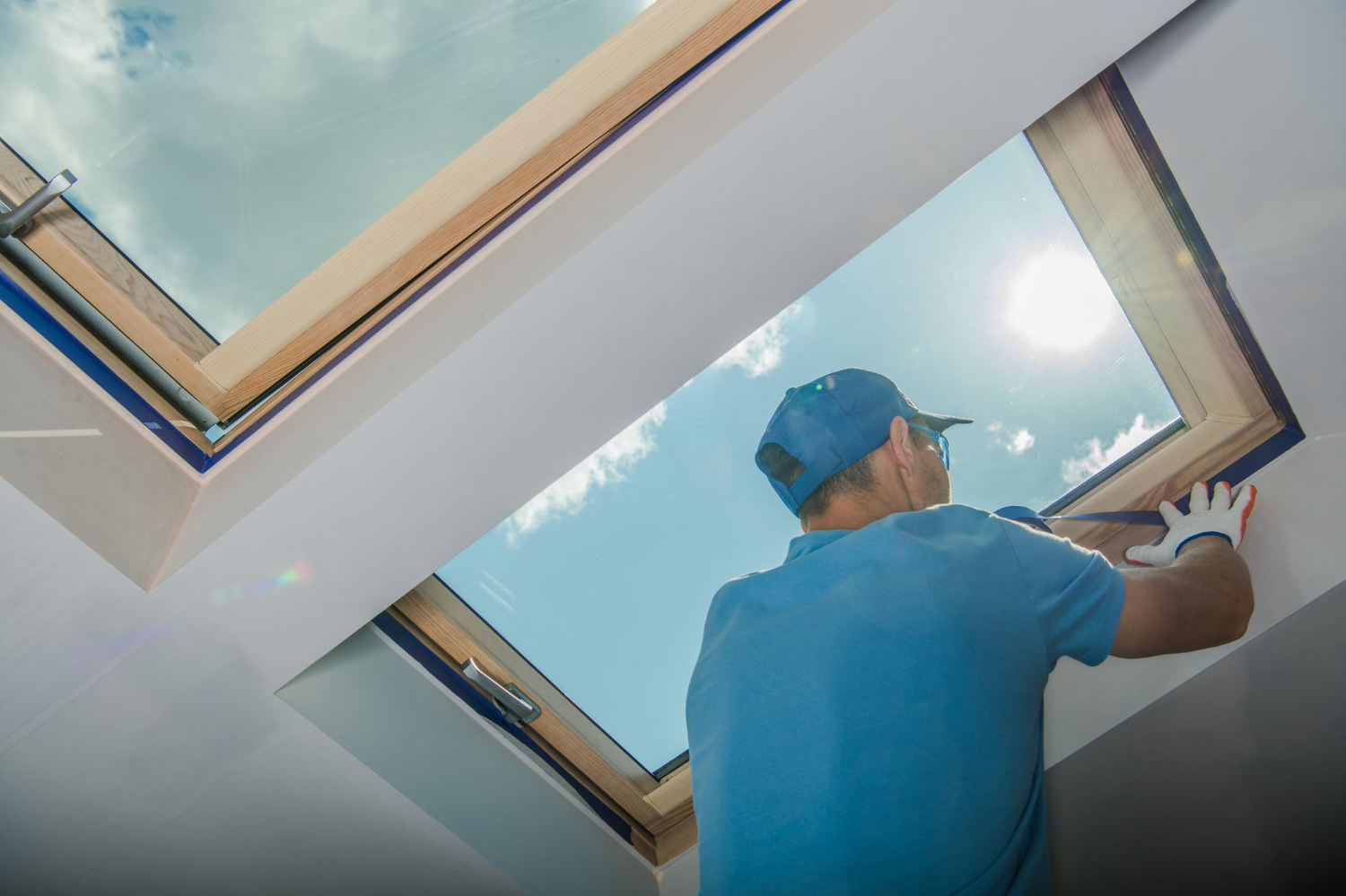
Skylight Leak Repair Services

1. Water Stains Around the Skylight

One of the most obvious clues sits right above the head: stains on the ceiling or walls close to the skylight. Yellowish or brown rings are never a good sign. They mean water has already slipped inside the roof.

Even if the mark seems small, it usually points to something bigger leaks don’t fix themselves, and over time they’ll only spread.

Often, the glass isn’t the culprit. In many cases, the flashing the thin metal barrier designed to keep water sealed out is to blame. Cracks, gaps, or poor sealing around that flashing let rain sneak in, and stains are the unfortunate evidence.

2. Drafts or Sudden Temperature Changes

Ever notice a chill or heat wave when standing under the skylight? That temperature change is rarely a coincidence. Drafts mean air is slipping through unsealed gaps, making the room feel less comfortable.

Besides the annoyance of uneven temperatures, drafts hit the wallet hard. Heating and cooling systems need to work overtime when warm or cool air escapes. Over time, that little skylight gap might inflate energy bills more than anyone expects.

3. Condensation Between Panes

For skylights built with double or triple panes, another warning sign is trapped condensation. When moisture fogs up the glass from inside the layers, that means the seal has failed. Once that barrier breaks, the skylight loses its insulation power and allows water to travel deeper.

Think of it as a gateway: if water can seep through the glass, it’s likely to find its way into the roof. Eventually, that small foggy patch can lead to wood rot or soggy insulation hiding overhead.

4. Mold or Musty Smells

Few things reveal hidden water problems faster than a musty smell. If the area around a skylight smells damp, or worse, shows patches of mold, that’s a huge red flag.

Moisture slipping in creates a perfect home for mold. Beyond looking ugly, it can affect air quality and even health. Sneezing, allergies, or headaches may all stem from what’s growing around that skylight leak. Mold spreads quickly, so catching it early is critical. Considering timely skylight leak repair in Lindenhurst is the best option.

5. Damaged Flashing

Flashing deserves its own spotlight. That thin metal border does the heavy lifting, keeping rain from sneaking between skylight and roof. When flashing bends, rusts, or pulls loose, leaks are practically guaranteed.

Since it sits out of everyday sight, flashing often gets forgotten. But a quick inspection during routine roof checks can reveal whether it’s still in good shape. Think of it as the silent protector—if it fails, trouble follows.

6. Pooling Water on the Roof

Water pooling on any roof spells danger. When it collects around a skylight, the risks multiply. Skylights sit in cutouts, which naturally become weak points if water doesn’t drain away properly.

After heavy rain, a quick check for standing water can make a world of difference. Left alone, that puddle can seep under shingles, erode materials, and eventually find its way into the attic.

Why Early Detection Matters

Here’s the truth: a skylight is essentially a hole in the roof although it’s a beautiful, light-bringing hole. That makes it a little more vulnerable than other areas.

Minor issues left untreated can snowball into costly repairs involving insulation, drywall, wooden beams, or entire roof sections.

Catching the signs early is always less expensive than dealing with major roof damage later. Stains, drafts, and mold might feel like little annoyances, but they’re actually warning signals begging for attention.

What To Do Next

Okay, so you notice a weird draft or a little water spot near the skylight—now what? Don’t panic. First thing: jot down when you see it. Was it right after that crazy thunderstorm last week? Or does the chill creep in every December when the wind whips around?

Keeping track of those details is super helpful because it tells you whether it’s a one-off fluke or a pattern that needs fixing.

And honestly, adding skylight check-ups to your usual house chores isn’t as boring as it sounds. Think of it like cleaning out your gutters or peeking at your shingles before winter sets in. Regularly checking the seals, flashing, and glass can save you from a nasty surprise later.

And if you bring in a pro now and then, even better. Roofers have this uncanny ability to spot little cracks or leaks that you’d totally miss from the driveway.

Wrapping It Up

Here’s the thing: skylights are awesome. They brighten up a room, make mornings feel sunnier, and just add that cozy touch. But like anything cool they need a bit of TLC. If you’ve got leaks, drafts, or suspicious little cracks, that’s your skylight waving a flag for help.

That’s where the crew at Top Pro Construction LLC comes in. We offer skylight leak repair services, along with roofing solutions that keep the entire system solid. Fixing things early means you get to enjoy all the light without stressing about water stains or heating bills.

Bottom line: your skylight should feel like a feature, not a headache. And with the proper care, it will.

Categories
Uncategorized

Why Homeowners Trust Professional Siding Installation Service for Lasting Results

The exterior of a home is not only the way it looks but also the initial shield against severe weather, moisture, and temperature variations. High-quality siding not only makes your home more attractive but also enhances its security and value.

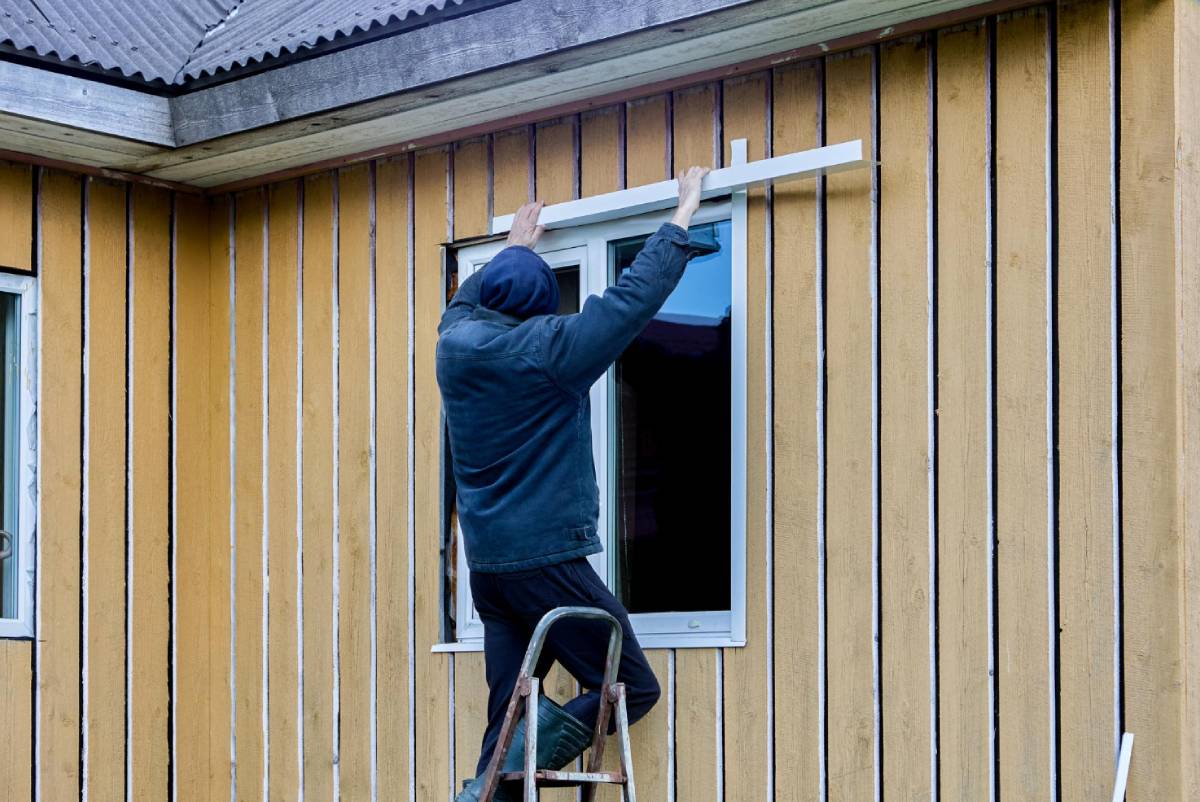
Although some homeowners might consider doing the siding themselves, professional siding installation in Westwood, NJ, can guarantee durability, safety, and high-quality performance.

What You Will Learn

  • The significance of professional siding installation.
  • Popular types of siding and their advantages.
  • Significant benefits of employing professionals.
  • How does a professional installation provide long-term security?
  • Why Locals Trust Top Pro Construction LLC?
  • Common questions about siding installation.
Siding Installation Service

1. Significance of Professional Siding Installation

Siding is one of the most evident and protective layers of your home. It prevents the entry of rain, wind, and pests, and also helps to control indoor temperature. However, improper installation may lead to costly problems, such as leaks, mold, and energy inefficiency.

A siding professional possesses the skills, tools, and knowledge to install siding panels correctly. A properly installed siding system can last for decades without requiring maintenance, providing homeowners with peace of mind and long-term savings.

2. Types of Siding and Common Advantages

Vinyl Siding: It is cheap, requires no maintenance, and comes in numerous colors. It is the most preferred choice for most residential homes.

Wood Siding: Gives a natural appearance. It is more maintenance-intensive, but unmatched in beauty.

Fiber Cement Siding: The cement siding is fire-resistant, sturdy, and looks like wood with minimal maintenance.

Aluminum Siding: This is light, waterproof, and suitable for homes and commercial areas.

Steel Siding: This is highly durable and energy-efficient, and it is excellent for homes in areas with extreme weather.

A professional contractor can help you choose the appropriate siding type that fits your home’s architectural style, durability requirements, and budget.

3. Important Benefits of Hiring Professionals

Having professionals to do the siding work has several advantages:

  • Proper Installation: Experts use appropriate measurements to ensure all panels are installed correctly.
  • Warranty Protection: Most siding manufacturers offer warranties, but only when installed by certified professionals.
  • Saves Time and Money: Professionals can finish your project faster, reducing the risk of material shortages and costly upkeep.
  • Increased Beauty: Your house will look much nicer with the proper siding installed and finishing details.
  • Safety: An experienced siding professional will work within standard safety practices to reduce the risk of injury or damage to your home.

4. The Role of Expert Installation in Guaranteeing Long-Term Protection

Siding is not just for looks; it also protects your home’s structural integrity. Professional siding installers carefully seal corners, joints, and edges to prevent moisture intrusion. This will help protect your home’s structure from rot, mold, and damage.

In addition, the changing climate in New Jersey requires the use of weatherproof materials and methods. During heavy rain, snow, or fierce winds, siding preserves the insulation and strength of your home over the years.

5. Why Top Pro Construction LLC Stands as the Most Reliable Partner?

Top Pro Construction LLC has the mission to develop and provide high-quality, effective construction services in the state of New Jersey. Our team of certified contractors has more than 17 years of experience in residential and commercial roofing, chimney, siding, gutter, and masonry work.

We do everything we can to exceed our clients’ expectations. Our job is marked by hard work, honesty, and accuracy. Having completed minor repairs and major installations, all work is done with attention to detail and the customer at the forefront.

We also customize our services to your needs. Our offerings include:

  • Free Consultation and Estimates: The correct price of the project, no surprises.
  • 24/7 Availability: We are available 24/7 to handle emergencies or urgent repairs.
  • Certified Contractors: Skilled professionals dedicated to safety and quality.
  • Competitive Pricing: Low prices without high standards.

Top Pro Construction LLC is the company to call in Bergen, NJ, for siding, roof repair, chimney repair, or gutter cleaning.

FAQs

1. Which is the most efficient siding material to use in New Jersey houses?
The most popular materials in NJ are vinyl and fiber-cement siding, as they are very durable, low-maintenance, and can withstand the changing weather conditions.

2. What should I do about the maintenance of my siding?
Always wash your siding with water and mild soap, inspect for damage or cracks, and have professionals inspect it at least once a year to ensure its durability.

3. Why do I need to hire a certified siding contractor?
Certified contractors make sure siding is installed according to the manufacturer’s specifications, that a valid warranty covers the work, and that the process is safe and accurate.

Conclusion

Siding plays a crucial role in protecting your home and enhancing its appearance. Although it is tempting to consider DIY approaches, professional installation will help you make a longer and more effective investment. Professional contractors not only add curb appeal to your property but also protect it against environmental degradation.

If you’re looking for siding installation service in Westwood, NJ, select specialists who prioritize quality of work, safety, and customer satisfaction, such as Top Pro Construction LLC.

Our team has many years of professional experience, utilizes advanced equipment, and is firmly committed to unparalleled excellence on every project we take on. From the initial consultation to the completion, we ensure you get the most effective methods and solutions that last for years.

Categories
Uncategorized

Why Regular Inspections by Roof Repair Experts Prevent Costly Damage

Roofing systems are an important investment for residential and commercial building owners alike. A roof does more than minimize a property’s exposure to rain, snow, and ambient heat. It protects a building’s fundamental structures, the individuals occupying it, and all its valuables.

Commercial spaces often endure heavy loads, high foot traffic, and various challenging activities. Therefore, you must schedule regular inspections from commercial roof repair experts, which can help identify roof flaws early to prevent costly roof repairs.

What You Will Learn

  • The importance of roof inspections for building protection
  • Common types of roofing problems identified during inspections
  • How commercial roof repair specialists prevent damage
  • Extending the roof’s lifespan and saving money
  • Awareness of signs that a roof inspection is needed
  • How Top Pro Construction LLC’s roofing services can help
  • FAQs about roof issues

Why Roof Inspections Matter

Roofs are constantly subjected to extreme seasonal weather conditions. The constant exposure to sunlight, rain, wind, and snow will all affect the roof’s condition. Over time, seasonal weather variations will cause roof materials to break down and lead to the development of minor issues.

Periodic inspections are crucial for these reasons, as uninspected roofs can escalate from minor issues to serious and costly damage. Regular inspections enable the roof inspector to identify early warning signs of issues, allowing for timely repairs and preventing increased repair costs.

Common Roofing Issues Found During Inspections

When it comes to inspections, roof repair experts are trained to detect numerous additional problems that a property owner may overlook:

  • Leaks and Moisture Buildup: Even a minor leak can easily begin to grow mold, rot, and water inside.
  • Broken or Missing Shingles: The broken or missing material will enable water to penetrate into the roof.
  • Blocked Gutters: It cause improper drainage, resulting in water pooling on the roof.
  • Ponding of Flat Roofs: This happens in the majority of commercial buildings and makes the roof weak.

When such problems are identified at an early stage, you will require less time, effort, and money to deal with them.

The Role of Commercial Roof Repair Experts

Commercial roof repair experts are also important in the maintenance of large premises. They possess the appropriate training, equipment, and understanding of the challenges that are entailed in large-scale roofing systems. There are commercial-roof-specific problems, such as

  • Minimal or no drainage slopes.
  • Heavy items on roofs, including air conditioning units.
  • Complex drainage system.

Minor cracks or leakages can escalate to large portions without being checked after short intervals, thus requiring expensive repairs or even resulting in complete roof replacement. Professional roof repair specialists make sure that these problems are detected on time and managed accordingly.

Extending Roof Lifespan and Saving Money

A roof is a long-term investment, and all property owners aim to increase its lifespan. Regular inspections ensure:

  • Preventive Maintenance: Minor issues are avoided with little repair.
  • Cost Savings: Full replacements are significantly more expensive than routine checks.
  • Energy Efficiency: A well-kept roof enhances the insulation and decreases the energy costs.
  • Warranty Protection: Most manufacturers require inspections to maintain warranties.

Signs You Need a Roof Inspection

Even if examinations are regularly performed, there are several signs of damage that indicate you should immediately call an expert:

  • Water stains on ceilings or walls.
  • Missing, curled, or broken shingles.
  • Sagging rooflines
  • Higher energy bills
  • Mold or algae growth

When you observe these issues, do not wait. The prompt response avoids additional harm.

Top Pro Construction LLC – Experienced Roofers for Every Project

At Top Pro Construction LLC, we deal with residential and commercial roofing construction in New Jersey. Our highly qualified staff offers reliable services for every roofing work, from roof leak repair to complete roof replacement. We maintain the utmost safety standards for our clients and crew, ensuring each project is completed accurately and carefully.

Frequently Asked Questions

Q1: How often should I have my roof inspected?

A1:The majority of specialists recommend at least two annual check-ups, scheduled for the spring and fall. Inspections should also follow major storms.

Q2: Do new roofs require roof inspections?

A2: Yes. Even a new roof might develop problems because of improper installation, weather, or unforeseen damage. Inspections secure your investment and warranty.

Q3: How much time does a roof inspection take?

A3: The time varies with the size and the type of the roof. The inspection of residential roofs typically lasts 1 to 2 hours, and commercial roofs may last longer.

Q4: How can routine checks save me money?

A4: Preventive maintenance is never costly compared to major repairs or roof replacement. Regular inspection also enhances energy efficiency, which saves on utility bills.

Conclusion

Having commercial roof repair experts regularly check the roof is not a choice but a necessity. They safeguard your property, prolong the life of your roof, and save you from unexpected costs. Whether you own a house or manage a business premise, making roof checks an essential part of property maintenance is the best investment you can make.

With the help of experienced professionals like Top Pro Construction LLC, you can ensure your roof stays strong, durable, and efficient year after year.

Categories
Uncategorized

How Roof Chimney Repair Services in NJ Fix Flashing and Cracks

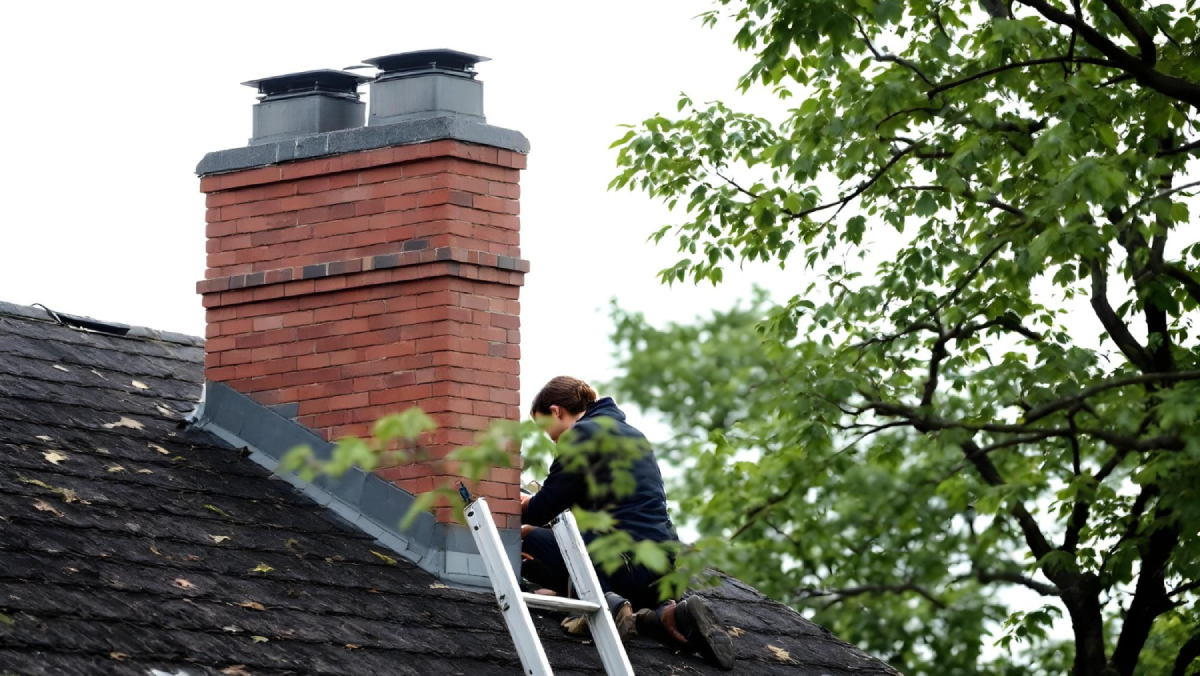
When people talk about roof chimney repair services in NJ, most homeowners don’t exactly perk up with excitement. I mean, let’s be honest your chimney is one of those things you probably ignore until something weird happens.

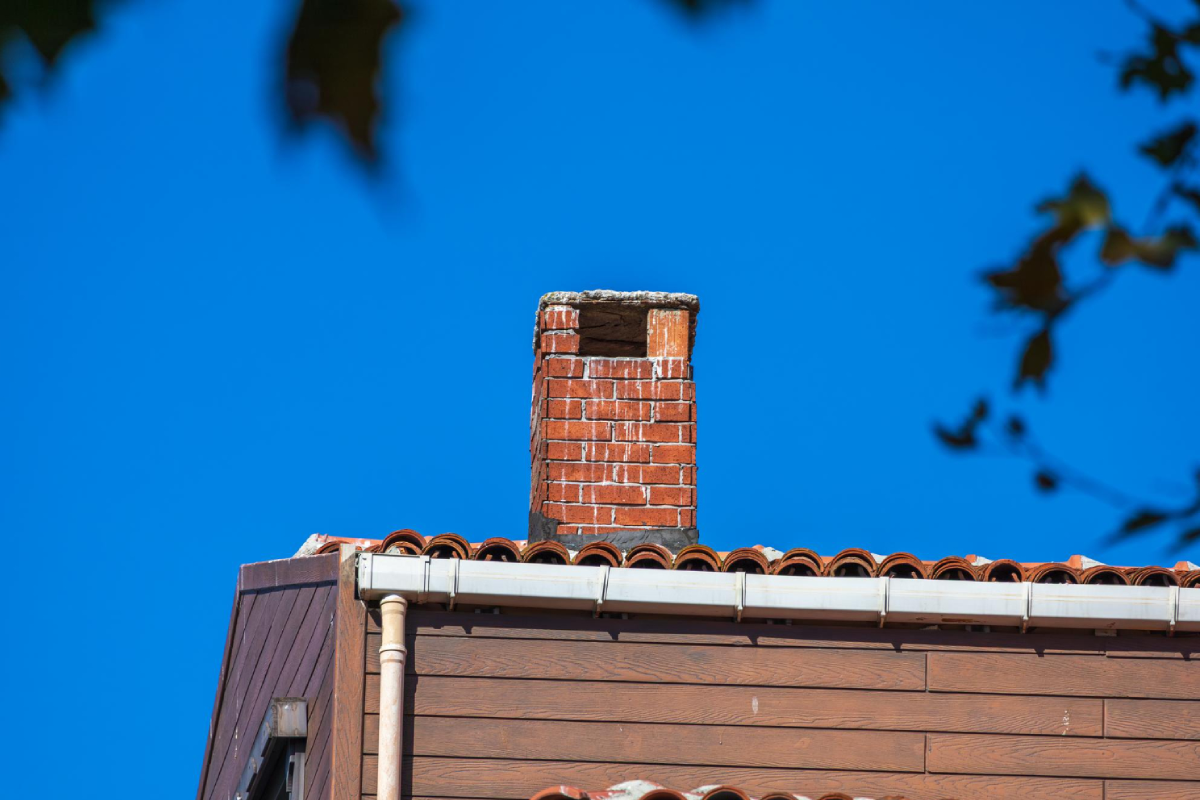
Maybe you spot a brownish water stain spreading across the ceiling like a coffee spill, or you catch that damp, musty smell sneaking out of your attic. Sometimes it’s crumbling bricks around the fireplace that make you think, “Wait a second… that can’t be good.”

I’ve been there myself. For years, I never gave my chimney more than a passing glance. It was just “that tall brick thing” sticking out of the roof. But once flashing problems and cracks start showing up?

Gutter Maintenance And Repairs

That’s when you realize this little architectural detail can cause some big headaches if you don’t act fast.

The good news: chimney repair isn’t some mysterious, impossible-to-understand process. In fact, professional repair crews know exactly how to tackle flashing issues and cracks in a way that not only fixes the problem but also helps you dodge much bigger (and pricier) disasters down the road.

So let’s break it down together.

Why Chimney Flashing Is Key to Roof and Chimney Longevity?

Okay, picture this: chimney flashing is essentially the “raincoat” that protects the base of your chimney. It’s usually made of metal, and it hugs the area where the chimney meets the roof. What’s its whole job? To block water from sneaking inside.

Damaged flashing is like leaving your window cracked open during a thunderstorm—you might not notice at first, but slowly, water seeps in, soaks the wood, breeds mold, and suddenly you’re dealing with soggy insulation, warped ceilings, or worse.

Ever see peeling paint around your fireplace or mysterious stains that keep reappearing after you repaint? That’s often flashing, telling you it’s given up on doing its job.

How the Pros Actually Fix Chimney Flashing

So, let’s say you call in a crew to get roof chimney repair services in NJ. Here’s what typically happens:

1. The Inspection

Step one is always the detective work. They’ll climb up, check the flashing, and figure out whether it’s just loosened, rusted out, or missing in whole chunks. Sometimes it’s as simple as a little lifting in the corners.

2. Removing the Old Stuff

If the flashing is a lost cause, the pros strip it out. They’ll clean the area so no old rust flakes or bits of mortar interfere with the new installation. Think of it like prepping a canvas before painting—you need a smooth surface.

3. Installing New Flashing

Here’s the cool part: flashing isn’t “one-size-fits-all.” They cut fresh metal pieces to fit your chimney perfectly. Every chimney has its own quirks—different slopes, angles, and dimensions. Done right, the new flashing fits like a tailored suit.

4. Sealing It Up

Once the flashing is fitted, it gets sealed with high-quality roofing cement or specialized sealants. This step is critical. A sloppy seal is basically an open invitation for leaks to creep back in.

5. Testing the Job

Good chimney techs don’t just pack up after installation. They’ll check and recheck. Some even pour water to simulate rain, just to make sure nothing slips through the cracks.

By the end of this process, your chimney has a watertight barrier ready to handle anything Jersey weather throws at it whether it’s a spring downpour or that heavy winter snow.

Cracks: The Silent Trouble-Makers

Now, flashing might be the front-line defense, but cracks in the chimney itself? Those are the sneaky villains in this story.

Think about what your chimney goes through: blazing summer heat, freezing winter nights, endless rain, whipping winds. That constant expansion and contraction takes a toll.

Over the years, bricks and mortar develop hairline cracks. Doesn’t sound like much, right? Tiny little lines in the brick?

Here’s the problem: water loves cracks. It seeps in, freezes, expands, and makes the crack bigger. Do this cycle a few times, and suddenly that “little” crack has grown into something that threatens the stability of the whole chimney. In worst-case scenarios, sections can crumble or tilt.

How Chimney Repair Services Handle Cracks

So how do the pros fix cracks before they cause major chaos? Let’s break it down.

Step 1: Assess the Damage

Just like with flashing, everything starts with an inspection. They’ll check if cracks are shallow (surface-level cosmetic stuff) or if they run deeper into the structure.

Step 2: Clean Things Up

Loose mortar, dust, dirt it all has to go. Cleaning the cracks ensures the repair materials bond properly, rather than just sitting on top.

Step 3: Fill the Cracks

  • Small cracks: These often get filled with flexible, waterproof sealants or masonry caulk. Quick and effective.
  • Bigger cracks: This is where tuckpointing comes in. Old mortar is carefully removed and replaced with fresh mortar, restoring the chimney’s strength.

Step 4: Add Protection

After the repair, many pros apply a waterproofing treatment over the brickwork. This isn’t just a “nice to have” it’s extra armor against moisture sneaking back in.

Step 5: Rebuilding, If Needed

In cases where the cracks are serious like, whole sections of the chimney are compromised they may have to rebuild part of it. That could mean replacing damaged bricks or even reconstructing the chimney crown (the top cap that keeps water out).

Final Thoughts

Your chimney does more than just make your house look nice; it also protects it. If you don’t fix damaged flashing or cracks, they can quickly turn into leaks and problems with the structure that cost a lot of money. That’s why it’s important to fix things quickly.

Top Pro Construction LLC is the best place to go for roof chimney repair services in NJ. We can replace flashing, fix cracks, and make sure your roof is waterproof. Don’t let small problems get worse call us today and let our skilled team keep your chimney strong, safe, and watertight.

Categories
Uncategorized

How to Recognize That Your Chimney Needs Professional Repair?

Chimneys are among the least considered aspects of a house. They silently purify the air indoors by removing smoke, gases, and fumes. However, a chimney that develops damage can easily pose a threat to the safety of the residents.

Cracks, leaks, or blockages can result in fire hazards, ineffective heating, and exposure to carbon monoxide. Spotting the initial symptoms that your chimney requires professional repair can help you save on expensive future damage.

In this blog, we will take you through the red flags, inspection procedures, frequent repair requirements, and when to hire chimney repair experts.

What You Will Learn

Gutter Maintenance And Repairs
  • Why chimney maintenance is essential
  • Common signs of chimney damage
  • How the weather affects chimney health
  • The role of chimney inspections
  • Types of professional chimney repair services
  • FAQs about chimney repair
  • Why choosing experts ensures long-lasting safety.

Why Chimney Maintenance Is Essential

An efficient chimney provides efficient indoor air and heating. Regular maintenance keeps structures from falling apart, water leaks and fire hazards. If you don’t take care of your system on a regular basis, soot, creosote, and cracks will build up and make it weaker. If you don’t take care of your chimney, it will make your home less energy efficient, which may cost you more on your energy bills.

Common Signs of Chimney Damage

By understanding the warning signs, you can do something before the problems escalate. Some clear indicators include:

  • When you see gaps, crumbling bricks, or loose mortar, it is a signal that moisture has found its way to the chimney.
  • Water stains or leaks within the fireplace or chimney wall typically indicate missing or broken flashing.
  • A white powdery coating on chimney bricks is an indication that water is evaporating through masonry.
  • Cracks or lost caps allow rain, snow, and animals to enter the chimney.
  • Musty odors, particularly during the summer, are an indication of water leaks and creosote.
  • When smoke is entering your room instead of escaping through the window, it indicates that something is either blocked or structurally incorrect.

If you notice any of the above signs, it’s best to call professional roof chimney repair services in NJ to handle the situation.

How the Weather Affects Chimney Health

The weather exposes chimneys to the outdoor elements throughout the year. Freezing and thawing during cold weather enlarges cracks. Intensive rain and snow cause water to creep into masonry. Flashing or caps can be loosened by wind or storms. All these effects deteriorate the stability of the chimney and pose a risk of collapse with time.

The Role of Chimney Inspections

Professional inspections reveal the hidden issues before they can become critical. Certified inspectors employ tools and cameras to examine the flue, the liner, the crown, and the masonry.

Inspections are usually divided into three levels:

  • Level 1: Basic home inspection or annual check of homes due to modifications in heating systems has been observed.
  • Level 2: These are necessary when a home is sold, the type of fuel is changed, or a natural disaster has occurred.
  • Level 3: Detailed examination, including stripping away the parts of the chimney exposed to damage.

A proper inspection ensures safety, compliance with building codes, and peace of mind.

Types of Professional Chimney Repair Services

  • Masonry Repair and Repointing: They will fix the mortar and bricks that are falling apart.
  • Flue Relining: Installing a new liner to improve draft and prevent carbon monoxide leaks.
  • Crown and Cap Repair: The chimney’s crown is sealed to prevent moisture and debris from seeping in.
  • Chimney Flashing Replacement: Repair of the roof-chimney seal to prevent leaks.
  • Waterproofing Treatments: Coating surfaces to withstand moisture.

Roof chimney repair experts in NJ will ensure that all repairs meet safety standards and extend the chimney’s lifespan.

Why Choosing Experts Ensures Long-Lasting Safety

Chimneys are not only very comfortable, but they are also very significant in the security of your home. Ignoring minor issues can result in hazardous situations such as fire or carbon monoxide. By hiring professionals for chimney cleaning and repair, you will ensure that your home remains safe, energy-efficient, and in perfect condition.

FAQs

Q1: How risky is chimney water damage?

A1: Very risky. Water damage weakens the brickwork, fosters mold growth, and can damage ceilings and walls. If left unaddressed, it can even cause your chimney to collapse. A damaged liner might also allow dangerous gases, like carbon monoxide, to leak inside your home.

Q2: Do all chimneys eventually need repairs?

A2: Yes. All chimneys require upkeep or repair after years of service due to their exposure to weather, aging, and constant heating. Regular inspections can help prevent major repairs by catching minor issues early.

Q3: Can animals or debris cause damage in the chimney?

A3: Definitely, birds, squirrels, and raccoons often build nests in uncapped chimneys. Their nests, along with leaves or debris, can block airflow, increase the chance of fire, and cause smoke to back up into your home. Putting on or fixing a chimney cap helps prevent this.

Conclusion

Your chimney works continuously to keep your house in a safe and comfortable condition. Understanding how to recognize the first signs of damage saves you from costly and potentially dangerous situations. The signs may be as clear as cracks or as unclear as bad fireplace operation. Chimneys may get weakened by weather changes, and neglected repairs can be restored through professional services.

So, when you detect signs of damage in or around your chimney, only rely on the professionals. Contact Top Pro Construction LLC. to get quality and professional chimney service at your convenience. Our team of professionals offers quality roof chimney repair services in NJ that will ensure that your home is safe for many years to come.

Categories
Uncategorized

How Commercial Roof Repair Services Differ from Residential Solutions?

Roofing is an integral part of both homes and businesses that protects people, property, and money. As there are some clear differences between roofing systems used in homes and businesses, repair work, maintenance needs, and installation procedures for these structures are different. So, knowing these variations is essential while selecting the appropriate roofing services.

Today, we will explore the differences between commercial roof repair experts and residential services, explain their application, and discuss how trained professionals can enhance your property’s safety.

What You Will Learn?

Gutter Maintenance And Repairs
  • The fundamentals of residential roofing
  • The basics of commercial roofing
  • Crucial differences between residential and commercial roof repairs
  • Why specialized knowledge matters
  • Role of experts in repairing commercial roofs
  • FAQs about commercial versus residential roofing

Basics of Residential Roofing

Residential roofing is constructed keeping homeowners in mind. A majority of residential roofs are spiky and constructed using materials such as asphalt shingles, wood shakes, metal sheets, clay tiles, or slate. Residential roofs require less maintenance and repair work.

They typically involve repairing damaged shingles, leak repairs, or repairing gutters. It’s primarily focused on enhancing the aesthetics and durability of the structure because a roof has a direct impact on a home’s curb appeal. Homeowners demand energy-efficient and low-maintenance roofs.

Understanding Commercial Roofing

Commercial roofs are seen in big structures like office spaces, warehouses, manufacturing units, and shopping centers. These roofs typically possess a flat shape or an extremely minimal slope. TPO, EPDM, PVC, or a bitumen modification can be common materials utilized in making these roofs.

Commercial roofing projects require professional repair and upkeep due to their large size and specific architectural style. Here, leakage issues can exist because of water buildup, damage to the membrane, or stress on the structure.

Key Differences Between Residential and Commercial Roof Repairs

1. Design and Structure

Home roofs are steeper and smaller compared to commercial roofs, which are large and often level. The type of structure determines how repairs are done and how water runs off.

2. Materials Used

Homeowners often prefer shingles or tiles for design, whereas commercial buildings use specialized membranes and coatings to handle large surface areas and environmental stress.

3. Installation and Repair Process

The process of repairing residential roofs is quicker and may also need less equipment. Commercial roof repairs are more time-consuming and demand heavy machinery, cranes, and safety equipment.

4. Cost and Budget

Residential repairs are affordable due to their simplicity and reduced reliance on complex tools. The cost of commercial roof repairs is also higher due to the size of the area, the complexity of the materials, and the labor involved.

5. Maintenance Needs

Residential roofs can last long with little maintenance; however, commercial roofs require frequent maintenance, particularly because of the flat construction and the bulky machinery installed on them.

Why Specialized Knowledge Matters

You cannot approach a commercial roof the same way you would a home roof. Commercial roofs are associated with technical expertise in industrial-grade materials, building codes, and safety requirements.

For example, it is easy to fix a hole on a shingle roof, but finding a hole on a flat membrane roof and sealing that hole is difficult. That is why companies hire trained commercial roof repair specialists who know these issues. You get:

  • Long-lasting solutions instead of quick fixes
  • Compliance with safety and building codes
  • Cost-effective maintenance plans
  • Minimal disruption to business operations

The Role of Commercial Roof Repair Experts

Commercial roofing involves a trained team with experience in large-scale roofing operations. Such professionals conduct intense inspections, deliver sophisticated repair services, and design long-term maintenance strategies. They also possess higher-grade materials and machinery required in large-scale roofing operations.

By engaging commercial roof repair experts, investors protect investments against losses and forego costly downtime caused by roof damage. Experts also recommend preventive maintenance, which can extend a roof’s life for many years.

Comparison Table: Commercial vs. Residential Roof Repair

To better distinguish the differences, a brief side-by-side comparison of residential and commercial roof repair is provided here:

Feature Residential Roof Repair Commercial Roof Repair
Design Steep or sloped roofs, smaller in size Flat or low-slope roofs, larger surface area
Common Materials Asphalt shingles, tiles, wood, slate, metal TPO, EPDM, PVC, modified bitumen, coatings
Repair Complexity Simple repairs like shingle replacement Complex repairs involving membranes and equipment
Cost Range Lower, based on small-scale fixes Higher, due to size and specialized materials
Inspection Needs Occasionally, often every few years Frequent, often twice a year or after heavy storms
Time Required Shorter repair time, fewer tools needed Longer repair time, heavy-duty tools, and cranes are used
Aesthetic Factor High—affects the curb appeal of the home Low—focus is on functionality and durability

FAQs About Commercial vs. Residential Roofing

Q1: Can a residential roofer work on a commercial roof?

A1: Not necessarily. Commercial roofing demands expert knowledge, equipment, and materials. It’s a good idea to call in experts on commercial roofing work.

Q2: Why do commercial roofs need more frequent inspections?

A2: Low-slope or flat roofs subject commercial roofs to structural stress and pooling with water. Quality inspections can prevent costly damage.

Q3: Which lasts longer: residential or commercial roofs?

A3: Both can last for decades if maintained well. Commercial roofing materials usually withstand higher stresses due to equipment and people traffic; thus, regular maintenance is crucial.

Q4: Does it cost more to fix commercial roofs?

A4: Yes. Commercial repairs are usually more expensive because the size is larger, special materials are used, and skilled labor is necessary.

The Bottom Line

Commercial and residential roofing systems serve the same purpose protection but their needs are very different. Residential roofs strive to achieve design, strength, and affordability, while commercial roofs require high-end materials, heavy-duty technology, and frequent professional services.

If you need dependable roofing solutions, trust the professionals at Top Pro Construction LLC. Our professional team specializes in handling all residential and commercial roofing projects, including repairs, replacements, and maintenance at a budget-friendly price.

Schedule an appointment with our expert today, and keep your property safe, functional, and appealing!

Categories
Uncategorized

Why Gutter Maintenance and Repairs Really Matter for Your Home

“Let me ask you this: after the last big rainstorm, when you called a pro for rain gutter repair services, did you take a good look at your gutters afterward?”

Most of us don’t. We glance at the house, think, “Looks fine to me,” and move on. But here’s the thing water has a sneaky way of finding weak spots, sliding into cracks, and quietly causing damage you won’t notice until it’s already expensive. And nine times out of ten, the culprit is those neglected rain gutters.

They may not look like much, but gutters are basically your home’s defense system against water damage. When they’re working, they steer rain safely away from your roof, siding, and foundation. When they’re clogged, cracked, or sagging? That’s when the real headaches start—warped floors, leaky ceilings, even foundation trouble. Trust me, we’ve seen it all in our repair calls.

Gutter Maintenance And Repairs

Why Gutter Maintenance And Repairs Are Important

1. Water Damage Adds Up Fast

Water doesn’t need much of an invitation. If your gutters aren’t directing it properly, it can seep behind walls, soak into wood, or pool around your foundation. And once it’s in, it doesn’t just go away—it spreads, freezes, expands, and makes the damage worse.

The Insurance Information Institute reports that about 1 in 60 homes files a water or freezing damage claim every year. That’s not a rare issue that’s common. And repairs? They often cost in the tens of thousands of dollars. Way more than the cost of fixing your gutters in the first place.

2. Clogs and Cracks Don’t Stay Small

Here’s the tricky part: gutter problems don’t wave a red flag right away. Overflow might look minor, but over time, you’re dealing with:

  • Rotting fascia boards (the wood right behind your gutters)
  • Leaks into walls and ceilings
  • Cracks and shifts in your foundation
  • And yes, even pest problems—standing water in clogged gutters is like setting up a mosquito hotel.

A small leak may appear harmless at first, but over time, it can cause significant damage. Water that seeps in behind walls or beneath flooring often goes unnoticed until it’s too late. What started as a minor issue can quickly turn into warped floors, mold growth, and repair bills in the thousands—all because of neglected gutters.

3. Small Repairs Now Save Huge Costs Later

Nobody wakes up excited to clean or fix gutters. But here’s the reality: a little maintenance now can prevent the need for expensive rain gutter repair services later.

Spending a couple of hundred bucks now keeps you from draining your savings later. And to make it worse, some insurance companies won’t even cover water damage if it’s clear that the gutters were neglected. That’s basically like being told, “Sorry, this one’s on you.”

Hence, regular upkeep helps avoid foundation issues, water leaks, and even mold growth. Taking care of minor repairs early keeps those problems from snowballing into something far more serious.

4. How to Stay Ahead of Gutter Trouble

We’ve fixed enough systems to know that a bit of prevention goes a long way. Here are some simple but powerful steps:

  • Clean them twice a year: Spring and fall at minimum—more often if you’ve got lots of trees nearby.
  • Think about guards: Gutter guards block most debris, although you’ll still want to inspect them periodically.
  • Check drainage: Ensure your downspouts are directing water well away from your foundation.
  • Do a storm check: After heavy rain or wind, take a quick walk around your home. Loose sections or overflows are early warning signs.

And if you see sagging, rust, or leaks? That’s when it’s time to bring in a repair service before the issue worsens.

2. Why It’s Worth Paying Attention

Let’s be honest—gutters aren’t something people show off. Nobody invites friends over to admire a freshly repaired downspout. But even if they don’t grab attention, gutters quietly do some of the most critical work in protecting your home.

They keep water away from your foundation, preventing cracks and shifting. They protect your walls and ceilings from leaks and stains. They shield your landscaping from erosion that heavy rainfall can cause. By keeping excess moisture under control, they also help improve your indoor air quality by reducing the risk of mold and mildew.

When you think about it, that’s a lot of responsibility for something so often overlooked. Gutter maintenance and timely repairs may not be glamorous, but they’re one of the simplest ways to avoid costly, stressful problems later. A little attention now means peace of mind every time it rains.

Quick Takeaways

  • Gutters are your home’s first defense against water damage.
  • Neglected gutters can lead to leaks, foundation cracks, and mold.
  • Water damage is one of the most common and costly issues affecting homes.
  • Minor gutter repairs today prevent major headaches tomorrow.
  • Clean gutters at least twice a year—spring and fall are a must.
  • Gutter guards are helpful, but regular inspections are still necessary to ensure optimal gutter performance.
  • Check drainage after storms to catch issues early.
  • Healthy gutters protect your foundation, walls, landscaping, and indoor air.

Final Word

Rain gutters aren’t the kind of feature anyone shows off, but they quietly carry one of the biggest responsibilities in protecting your home. They don’t demand much—just seasonal cleaning, the occasional inspection, and timely repairs when something isn’t working right. In return, they help prevent the kinds of problems every homeowner dreads: leaks in ceilings, cracks in foundations, mold in the walls, or soggy landscaping after every storm.

Think of gutters as your home’s first line of defense against water damage. A small amount of care now keeps them working smoothly and saves you from the stress of bigger issues down the road. Ignoring them, on the other hand, is like leaving the front door wide open for water to move in and cause chaos.

The takeaway is simple: show your gutters a little attention, and they’ll quietly keep your home safe, sturdy, and dry for years to come.

Call Us For Gutter Repair and Maintenance Services

At Top Pro Construction, we handle the tough work so you don’t have to. From offering rain gutter repair services and sealing leaks to installing new gutters or handling routine cleaning, our certified team makes sure your system is working exactly as it should—protecting your home from costly water damage.

We also offer 24/7 support, complimentary consultations, and exclusive discounts for veterans and senior citizens. When it comes to water, a little prevention today is always more intelligent than facing a major repair tomorrow.

Categories
Uncategorized

Why Timely Rain Gutter Repair Prevents Water Damage to Your Home

One of the most common and costly issues that homeowners encounter is water damage. In the U.S., freezing and water damage comprised approximately 27.6 percent of all homeowner insurance claims in 2022, with an average claim cost of $13,954. To protect your home against these natural problems, it’s essential to take protective action. And it starts with one of the most overlooked systems: your gutters.

Therefore, it is essential to invest in rain gutter repair services. This professional service provider ensures your gutter system functions effectively, preventing water seepage through your roof, walls, and foundation.

1. Gutters: Your First Line of Defense

What’s the purpose of gutters? Essentially, they channel rainwater in a controlled path away from your roof, your walls, and your foundation. When they fail, even a small amount of water can wreak havoc. Only one inch of water can cause substantial damage to a house.

If gutters are not routinely maintained, they may clog, overflow, leak, and, in most cases, create overlooked problems and potential issues.

Rain Gutter Repair Services

2. How Can Neglected Gutters Lead to Bigger Issues

Foundation Erosion and Cracks

Clogged gutters and downspouts cause water to drain right down the foundations. Over time, hydrostatic pressure and soil erosion can lead to expensive structural damage.

Roof, Fascia, and Ceiling Damage

Blocked gutters can lead to water backing up under the shingles and wetting fascia boards. That creates rot, mold, and possible ceiling leaks.

Basement Flooding and Mold Growth

When gutters aren’t functioning properly, water pools near the base of the home and seeps into the ground, often leading to basement floods and mold growth. Nearly 98% of U.S. basements experience some level of water damage.

Indoor Air Quality and Health Risks

Mold thrives behind damp walls after water intrusion has occurred. According to health experts, mold can form within 24-48 hours, posing serious respiratory risks especially for children, the elderly, or individuals with pre-existing lung conditions.

3. Why Rain Gutter Repair Services are More Important than Ever

That leads us to the crux of the issue: rain gutter repair services. This is why early intervention is so important:

Prevent Minor Problems Before They Turn into Expensive Ones

Identifying and repairing gutter cracks, misalignments, or loose attachments in their early stages can save thousands of dollars due to downstream damage.

Stop Mold Growth Before It Spreads

Fixing leaky gutters prevents water accumulation in attic and wall cavities, reducing the chances of mold growth in these dark corners.

Preserve Roof and Exterior Components

When your gutter system functions properly, it protects your shingles, soffits, fascia, siding, and landscaping from water saturation and premature decay.

Save Money (and Headaches) Long-Term

Compared to emergency foundation repairs, ceiling replacements, or mold remediation, a minor gutter fix is a fraction of the cost—and much less disruptive.

Maintain Curb Appeal and Property Value

Clean, sturdy gutters support your home’s visual appeal and structural integrity, which is beneficial if you plan to sell in the future.

4. Rain Gutter Repair Services: What to Expect?

Here’s what comprehensive rain gutter repair services include:

Thorough Inspection

Professional teams carefully identify damage, joint separations, sagging sections, flashing issues, or detachments.

Precision Repairs

From realigning downspouts to resealing joints or replacing worn-out hangers—these repairs restore proper flow and stability.

Material Upgrades

Technicians often use weather-resistant materials (such as seamless aluminum, copper, or reinforced PVC) to enhance the lifetime of the system.

Preventative Add-Ons

Gutter guards or leaf screens can be added to decrease the amount of debris and the time spent on maintenance.

Safety and Efficiency

DIY gutterwork can be dangerous, as falls off ladders are one of the most common injuries in this type of home improvement. Conversely, trained professionals are equipped with special equipment, special techniques, and safety measures.

5. Practical Steps for Homeowners

Plan Seasonal Inspections

Schedule inspections before heavy rains or after storms to inspect your gutters, or have a team perform an inspection on your gutters. In case of emergency, you can easily detect blockages, animal nests, or misaligned gutters before storms cause damage due to the dysfunction of your gutters.

Cleaning Frequently & Including Guards

Even strong gutters get clogged with leaves and other waste. The most common gutter clog problems can be prevented through regular cleaning or the installation of gutter guards.

Engage a Reputable Service

Have rain gutter repair services performed by experienced professionals. They work safely, accurately, and with the right materials, saving you time and money.

Keep an Eye on Interior Signs

Look up at the ceiling stain, flaking paint, or soft drywall around the gutter and roof lines, which are indicators of early water penetration into the house.

FAQs

1. How frequently should I conduct gutter inspections and repairs?

Ideally, gutter inspection should be conducted at least twice a year (in spring and fall). However, if you live in an area prone to frequent storms or trees, it’s best to check it more often to prevent blockages and water damage.

2. What are the indicators that I require rain gutter repair services?

The most common indicators include gutter overflow during rain, sagging parts, peeling paint on the siding, water stains on walls or ceilings, and water gathering around your foundation. These problems can be addressed early to avoid expensive repairs later on.

3. Can a clogged or damaged gutter really cause foundation problems?

Yes. When gutters are not able to divert water, it will collect around the foundation, leading to soil erosion, cracks, and water buildup due to hydrostatic pressure. It may eventually weaken the structural integrity of your home.

4. Are professional rain gutter repair services worth the money?

Absolutely. Professional repairs ensure that problems are correctly diagnosed and repaired with long-lasting materials, saving you money on future repairs to your roof, siding, basement, or foundation.

5. Does Top Pro Construction provide other exterior maintenance services besides gutter repair?

Yes. At Top Pro Construction, we offer a full range of exterior services, including roofing, siding, chimney, and masonry repairs, making us a one-stop solution for maintaining your home’s exterior in New Jersey.

The Bottom Line

Properly functioning gutters are not optional extras but necessary to preserve the foundation, roof, and interior of your home. Neglecting gutter issues is an invitation to a chain of destruction that can cost you tens of thousands of dollars and endanger the health of your family.

When you invest in professional gutter repair services, you are not just fixing some joints. You are improving the safety of your home, its structural strength, and durability. It is smart preventive care that has clear benefits.

For reliable and efficient rain gutter repair services, consider a skilled team that cares about your home as much as you do. When the time comes to take action, Top Pro Construction is here to provide you with the best solutions to protect your home.

Categories
Uncategorized

How Leaky Roof Replacement Services Can Save Your Home?

Let’s be honest no one wants to deal with a leaky roof. It’s one of those home maintenance issues that we often put off until it’s absolutely unavoidable. Maybe you’ve noticed a water stain on your ceiling, heard the dripping sound during a heavy rain, or seen shingles scattered in your yard after a storm. Whatever the case may be, a leaky roof is more than just a nuisance it’s a red flag telling us that our home needs attention.


If you’ve been debating whether it’s time to replace your leaky roof, you’re not alone. Many homeowners face the same decision. The good news? Roof replacement services in New Jersey have a long list of benefits not just for your home, but for your peace of mind, wallet, and even the future resale value of your property.


In this blog, we’ll walk you through some of the key benefits of replacing a leaky roof and why investing in this essential upgrade can be one of the smartest decisions you make as a homeowner.


Roof Image

Why Roof Replacement Services Are Worth Considering


1. Stop Mold Growth Before It Starts


Mold is usually a common problem for people with leaky roofs. It occurs in areas where the water enters the attic or the ceiling. Mold is not only unsightly, but it can also be a great health hazard, particularly to children, older people, or anyone with allergies and/or asthma.


The presence of a new roof will mean fewer chances of getting moisture growth in the future. The result will be a dry and clean wall, which prevents mold from forming, and as a result, you will have clean air to breathe at home.


2. Improve Energy Efficiency and Save on Bills


Did you know that a damaged or leaky roof can affect your home’s energy efficiency? It’s true. When your roof isn’t properly sealed, it allows warm air to escape in the winter and cool air to enter in the summer. That means your heating and cooling systems have to work overtime, and you end up paying for it on your energy bills.


A new roof can help seal your home, regulate indoor temperatures more effectively, and reduce those monthly energy costs. Over time, that’s money back in your pocket — and a smaller carbon footprint for your home.


3. Protect Your Belongings and Family


Your home is your safe space it shelters your family, your memories, and all the things you’ve worked hard for. A leaky roof can compromise that safety. Even a small leak can let in water that damages walls, ceilings, insulation, and flooring. Over time, that damage can add up to serious repair costs.


By considering roof replacement services in New Jersey, you’re taking a proactive step to protect your belongings and loved ones. You’ll no longer have to worry about water damage spreading through your attic or mold creeping into your drywall. Peace of mind? That’s priceless.


4. Invest in Long-Term Savings and Fewer Repairs


It’s true replacing a roof is an investment. But it’s one that pays off over time. When you consider all the potential costs you avoid like water damage repairs, mold remediation, higher energy bills, and repeated patchwork fixes a new roof can save you money.


Plus, modern roofing materials are built to last longer and require less maintenance than older ones. That means fewer repairs, fewer surprises, and more years before you have to think about it again.


5. Avoid Costly Emergency Repairs


We’ve all been there something breaks down at the worst possible time, and suddenly you’re scrambling to cover the cost. Roof leaks can cause those kinds of surprise headaches. A heavy rainstorm might lead to a flood in your attic. Snow build-up in the winter could lead to a partial collapse. That quick patch job from last year? It might not hold up this time.

Replacing your roof before it becomes a crisis helps you avoid emergency repairs, insurance claims, and potentially thousands of dollars in water damage restoration. It’s about being proactive instead of reactive and it can save you a lot of stress (and cash) in the long run.


When Is It Time to Replace Your Leaky Roof?


We understand replacing your roof isn’t exactly at the top of anyone’s wish list. It feels like a big project, and it’s tempting to push it off until “next year.” But if you’ve started noticing stains, drips, or missing shingles, it might be time to stop patching and start planning.


A new roof does more than just fix a leak it protects your investment, enhances your comfort, improves safety, and adds long-term value to your home. It’s one of those upgrades that pays off in more ways than one.


So if you’re dealing with anything from minor leaks to more serious roofing concerns, don’t wait until it turns into a costly emergency. At Top Pro Construction LLC, we specialize in professional, reliable leaky roof replacement services in New Jersey to help you protect what matters most. Let us help you take the next step toward a stronger, safer home.