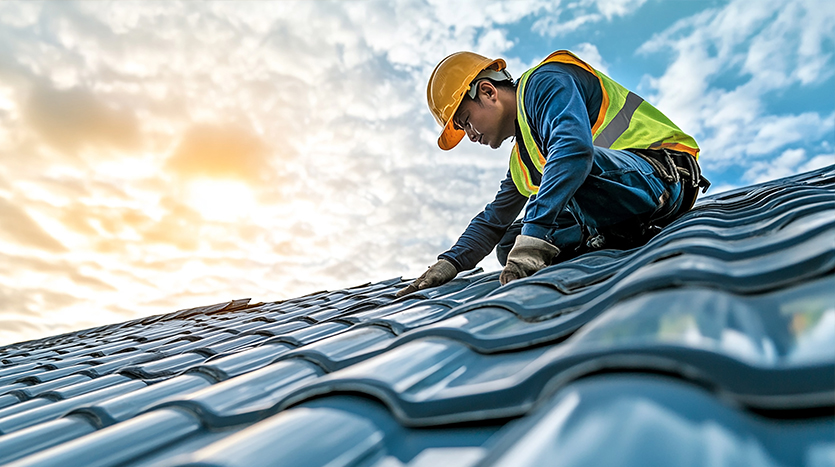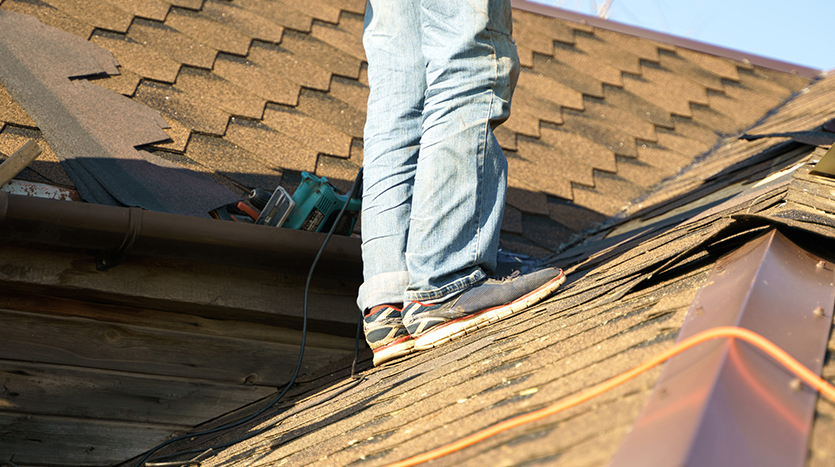
Your home is one of the most valuable investments you will ever make, and your roof is its first line of defense against the elements. Hiring professional roofers in Warren County ensures your home is protected from sudden weather changes, storm damage, and long-term wear and tear.
Experts not only repair visible issues but also identify hidden problems before they escalate, keeping your home safe, your family secure, and your investment intact for years to come. Unfortunately, many owners pay less attention to roof care, resulting in expensive damage.
In this blog, we will examine how professional roofers shield your home, when to give them a call, and just what they can do to avoid major damage.
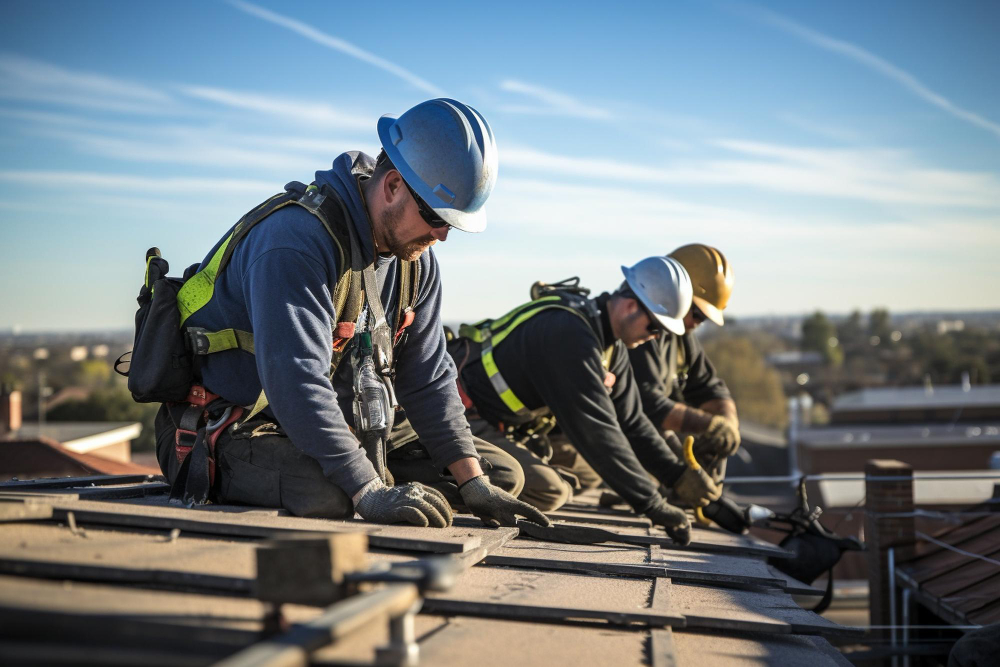
When to Call Professional Roofers?
Most homeowners wait too long, thinking that a small issue will cure itself, and end up facing much bigger problems later on. The following are a few of the key signs that it is time to call the experts:
- Due to Major Storm: High winds, hail, and heavy rain can damage shingles, flashing, and gutters. Even minor damage can escalate if not addressed promptly.
- Visible Wear and Tear: Cracked, curled, or missing shingles are a clear indicator that your roof needs inspection. Early detection prevents leaks and structural issues.
- Water Stains or Leaks Inside the Home: If you notice discolored parts on the ceiling or walls inside your home, there is a chance of water leakage. You can call in experts to resolve the matter properly.
- Aging Roof: Most roofs, depending on the roofing materials used, are only effective in service for about 20-25 years. Therefore, during such times, regular checks can be made to avoid costly replacements.
- Sagging Areas or Structural Issues: In case of indications of sagging surfaces or structural issues, it is advisable to attend to the issues so that future problems and destruction are averted.
By contacting a roofing specialist at the appropriate time, people may save themselves thousands of dollars in the future.
Ways Professional Roofers Protect Your Home from Costly Repairs
The professional roofers in Warren County can spot problems, fix them, and prevent possible issues from arising. Let’s see how it is done:
Early Problem Detection:
Experienced roofing experts know how to trace out issues like minor cracks on the shingles and water damage on the inside. This way, the problems are resolved before they become a bigger issue, ensuring a well-maintained roof without putting in extra money.
Proper Roof Maintenance:
Roof maintenance requires more than cleaning the roof every now and then. Experts help you maintain your roof by providing such services as gutter cleaning, inspection of flashed parts of the roofing system, repair of roofing shingles, and inspection of the roof for signs of wear and tear or corrosion. Routine maintenance not only protects your home but also extends the overall lifespan of the roof.
Expert Repairs:
When engaging in DIY repairs, homeowners may think it would save them some money. However, it could result in future troubles. In Warren County, roofing experts have the right tools and knowledge on how to do the job right, saving homeowners from headaches down the road. From fixing leakages to replacing broken roofs, experts do the job right the first time.
Preventing Water Damage:
The most common cause of costly home repairs is water infiltration. It can wreck insulation, discolor ceilings, weaken walls, and even breed mold. Good roofers make sure the water drains off properly, patch leaks promptly, and reinforce areas prone to leaking to keep water off your house, sparing you the costly repair of water damage and health hazards.
Structural Safety:
Your roof forms part of your home’s structure. Your roof is a key component in your house’s structural safety. Decaying and damaged roofs put your house in danger of sagging or collapsing. Professional roofing experts will take as much time as is required to critically examine your house and the roof’s structural safety before offering to carry out any repair.
Energy efficiency:
A well-maintained roof contributes to energy savings by maintaining consistent indoor temperatures. Roofers can identify areas where insulation is lacking or ventilation is insufficient, helping reduce heating and cooling costs. Proper installation and maintenance of your roof improves overall energy efficiency while keeping your home comfortable year-round.
Long-Term Investment Protection:
Your roofing protects some of the most valuable things you have at home, such as your family, furniture, and other items. When you hire roofers, you are protecting your investment for many years. The roofs will surely last for a long time, and there will be less need for maintenance and costly repairs. This is why hiring roofers is important for retaining the value of your home.
Why Hiring Experts is Worth the Investment
Some people are reluctant to hire a roofing professional due to the expenses; however, the long-term benefits far outweigh the cost of hiring a roofer. Doing the job yourself could lead to improper work and even increased repair costs. Roofing professionals bring only the best equipment and materials to every job to ensure your roof lasts beautifully for years to come.
Moreover, experts are able to offer warranties for their work, which offers peace of mind. Knowing that your roof is backed by skilled technicians means you don’t have to worry about hidden damage or future problems.
Get Reliable Roofing Service With Top Pro Construction
The roof is considered the foremost protection that covers a home from various external factors. Taking care of your home’s roof is considered a pressing concern that cannot be ignored. Professional roofers in Warren County assist you in identifying issues with your roof, maintaining your roof, and accordingly doing repairs to avert costly repairs to your home’s roof.
Are you looking for top-notch, high-quality, and efficient roofing services that will secure not only your home but also your valuables? Well, you are in the right hands with Top Pro Construction. We have a dedicated and experienced team that will ensure that you have a strong, durable, and lasting roof.